
 FA+
FA+ Shop
Shop
235
Views
Views
4
Favorites
Favorites
Category
Photography / Scenery
Species Unspecified / Any
Size 1221 x 1280
File Size 320 kB
Report this content
More from Yilares


Listed in Folders


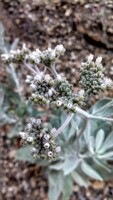
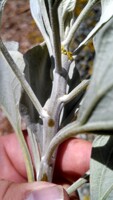
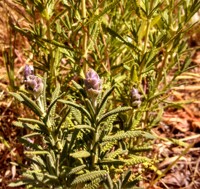
Oh, this one. I miss this plant.
Salvia pomifera is a close relative of Salvia officinalis and Salvia fruticosa. It's delicious, with big lavender flowers, and it's big, too. Mine grew to about two feet before it died; the plant is picky about where it grows. My latest attempt actually did great, but for some reason, bloomed to death. It's quite the prize if it'd just stay alive.
The scientific name means "fruiting" and sounds absurd for a sage. However, gall wasps native to its range will sting the plant, producing galls. It is inconclusive as to why they do this; apparently they don't lay their eggs in the galls. I don't know. The galls, also present on S. fruticosa, are peeled and either marinaded or eaten fresh and are called Sage Apples. Much as I love sage, gallflies and gall wasps freak me out. I don't think I'd try one.
Salvia pomifera is a close relative of Salvia officinalis and Salvia fruticosa. It's delicious, with big lavender flowers, and it's big, too. Mine grew to about two feet before it died; the plant is picky about where it grows. My latest attempt actually did great, but for some reason, bloomed to death. It's quite the prize if it'd just stay alive.
The scientific name means "fruiting" and sounds absurd for a sage. However, gall wasps native to its range will sting the plant, producing galls. It is inconclusive as to why they do this; apparently they don't lay their eggs in the galls. I don't know. The galls, also present on S. fruticosa, are peeled and either marinaded or eaten fresh and are called Sage Apples. Much as I love sage, gallflies and gall wasps freak me out. I don't think I'd try one.
Category Photography / Scenery
Species Unspecified / Any
Size 1221 x 1280px
File Size 320 kB

Comments