
 FA+
FA+ Shop
Shop
295
Views
Views
7
Favorites
Favorites
Category
Artwork (Traditional) / Animal related (non-anthro)
Species Cervine (Other)
Size 809 x 1280
File Size 224.8 kB
Report this content
More from Keida



Listed in Folders


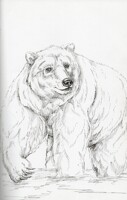
Spirit Guide of the day is Elk! Now is a time of abundance where resources will be available to you. Make sure to pace yourself, though, and eat foods that promote energy to keep your stamina up. This may require less meats and more plant foods. Put some effort into letting your inner child out to play. The Elk is considered one of the most regal of animals. It denotes great power, stamina, and can mean that now you have hit your stride in life. The Elk spirit guide may mean that you need more companionship and help to teach us to live cooperatively in a group. A study of Elk will let you see what energies you need to balance out your life. People who connect with Elk are independent, determined types that will stick to the goals they set. These individuals carry an air of nobility and work well in groups even though they prefer a level of solitude, drawing strength from themselves rather than others.
Elk, Cervus Canadensis, are large mammals that can weigh up to 1,100 lbs and live up to 12 years in the wild. A bull Elk can grow antlers up to 4 feet tall, getting them up to 9 foot tall. These majestic creatures are revered as close to the divine and were given the name Wapiti by the Shawnee Native Americans which means "light-colored deer." It was the Europeans settlers that saw the Wapiti and gave it their own name of Elk. They can originally be found throughout most of North America, however were hunted until driven to hide in more remote locations of their habitats throughout western North America in landscapes such as the Yellowstone National Park. Wapiti are members of the Ungulate family which includes horses, rhinos, camels, deer, cattle, and more. There are six subspecies of Wapiti widely dependent on the area they live. The Rocky Mountain Elk sports the largest antlers of all subspecies and lives not only in the Rocky Mountain west but has been transplanted to other locations. The Roosevelt's Elk has the largest body size of all subspecies and lives in the coastal Pacific Northwest. The smallest body size of the subspecies is the Tule which lives in central California while the Manitoban Elk lives in the northern Great Plains. Sadly, two subspecies are now extinct. They are the Merriam's Elk from southwest America and Mexico and the Eastern Elk that lived in the east of Mississippi. These animals can live in a variety of habitats including alpine meadows and dry desert valleys to rain forests and hardwood forests. The diet of the these animals consists of grasses and forbs, a flowering plant not related to grass, throughout the summer, spring, and fall. During the winter, they will expand their diet to include shrubs, twigs, and tree bark as well as what grasses they can find. In order to supplement their diet, Wapiti will find mineral resources called Salt Licks that give them additional nutrients to keep their coats healthy and produce nutritious milk. Digestion is aided by a special system of a four chambered stomach where one stomach will store food and the other three digest it. Their top two canine teeth are called Ivories and scientists believe they are remnants of saber-like tusks from ancestral species of Wapiti which were used in combat. The pelt of a Wapiti consists of two coats; one for winter and one for summer which helps them regulate temperature. Twice a year they will shed every hair on their body. In the spring, this shedding is more obvious due to the ragged bundles of winter hair that can dangle from their necks and sides before being replaced in July by their summer coat. This summer coat is a sleek, thin layer of short hair the color of copper which only lasts two months. Then it is replaced by their winter coat which is two layers; a dense woolly undercoat covered with long, thick guard hairs. They can even make their hair stand on end in order to trap air and create a thicker coat to keep in warmth. The antlers of Wapiti only appear on males and can weigh up to 40 lbs. Every year, bulls will shed and grow a new set of antlers which begin with a fuzzy skin covering called velvet. By late summer, the velvet will peel off and harden before becoming solid bone by September. Wapiti will group into herds called Gangs consisting of females and their young while the bulls will live in bachelor groups or alone. During the breeding season, they will come together into harems with one or two mature bulls leading. In early summer, these creatures will migrate to high mountains where the females, called cows, will give birth to typically a single calf. This calf can stand within 20 minutes. Male Elk will use their strong antlers to impress females and in savage fights against other males in order to win leadership over a harem. They are also known to coat themselves in mud and urine in order to attract a female. Wapiti are among the noisiest of the ungulates, possessing many forms of communication. The calves will utter a high-pitched squeal which it's mother will know and respond to. Each mother can identify her own babies squeal. Bull Elk will bugle in order to show their prowess, announce readiness to fight, or to warn other males away. This bugle is an amazing, loud bellow that rises into a squealing whistle ending with grunts. General communication is done through chirps, mews, and other squeals while loud barks are signs of danger. Body language is a big portion of the communication with this species. Agitated Elk will hold their heads high, press back their ears, and flare their nostrils while those that are trying to threaten others will curl back their upper lip, grind their teeth, and hiss. When alarmed, they will stiffen up, swivel their ears to listen with their heads held high, and their eyes open wide. If a female meanders away from the harem, a bull will bring her back by stretching out his neck low, tipping his nose upwards to tilt his antlers back, and circle her while leading her back to the harem.
Elk, Cervus Canadensis, are large mammals that can weigh up to 1,100 lbs and live up to 12 years in the wild. A bull Elk can grow antlers up to 4 feet tall, getting them up to 9 foot tall. These majestic creatures are revered as close to the divine and were given the name Wapiti by the Shawnee Native Americans which means "light-colored deer." It was the Europeans settlers that saw the Wapiti and gave it their own name of Elk. They can originally be found throughout most of North America, however were hunted until driven to hide in more remote locations of their habitats throughout western North America in landscapes such as the Yellowstone National Park. Wapiti are members of the Ungulate family which includes horses, rhinos, camels, deer, cattle, and more. There are six subspecies of Wapiti widely dependent on the area they live. The Rocky Mountain Elk sports the largest antlers of all subspecies and lives not only in the Rocky Mountain west but has been transplanted to other locations. The Roosevelt's Elk has the largest body size of all subspecies and lives in the coastal Pacific Northwest. The smallest body size of the subspecies is the Tule which lives in central California while the Manitoban Elk lives in the northern Great Plains. Sadly, two subspecies are now extinct. They are the Merriam's Elk from southwest America and Mexico and the Eastern Elk that lived in the east of Mississippi. These animals can live in a variety of habitats including alpine meadows and dry desert valleys to rain forests and hardwood forests. The diet of the these animals consists of grasses and forbs, a flowering plant not related to grass, throughout the summer, spring, and fall. During the winter, they will expand their diet to include shrubs, twigs, and tree bark as well as what grasses they can find. In order to supplement their diet, Wapiti will find mineral resources called Salt Licks that give them additional nutrients to keep their coats healthy and produce nutritious milk. Digestion is aided by a special system of a four chambered stomach where one stomach will store food and the other three digest it. Their top two canine teeth are called Ivories and scientists believe they are remnants of saber-like tusks from ancestral species of Wapiti which were used in combat. The pelt of a Wapiti consists of two coats; one for winter and one for summer which helps them regulate temperature. Twice a year they will shed every hair on their body. In the spring, this shedding is more obvious due to the ragged bundles of winter hair that can dangle from their necks and sides before being replaced in July by their summer coat. This summer coat is a sleek, thin layer of short hair the color of copper which only lasts two months. Then it is replaced by their winter coat which is two layers; a dense woolly undercoat covered with long, thick guard hairs. They can even make their hair stand on end in order to trap air and create a thicker coat to keep in warmth. The antlers of Wapiti only appear on males and can weigh up to 40 lbs. Every year, bulls will shed and grow a new set of antlers which begin with a fuzzy skin covering called velvet. By late summer, the velvet will peel off and harden before becoming solid bone by September. Wapiti will group into herds called Gangs consisting of females and their young while the bulls will live in bachelor groups or alone. During the breeding season, they will come together into harems with one or two mature bulls leading. In early summer, these creatures will migrate to high mountains where the females, called cows, will give birth to typically a single calf. This calf can stand within 20 minutes. Male Elk will use their strong antlers to impress females and in savage fights against other males in order to win leadership over a harem. They are also known to coat themselves in mud and urine in order to attract a female. Wapiti are among the noisiest of the ungulates, possessing many forms of communication. The calves will utter a high-pitched squeal which it's mother will know and respond to. Each mother can identify her own babies squeal. Bull Elk will bugle in order to show their prowess, announce readiness to fight, or to warn other males away. This bugle is an amazing, loud bellow that rises into a squealing whistle ending with grunts. General communication is done through chirps, mews, and other squeals while loud barks are signs of danger. Body language is a big portion of the communication with this species. Agitated Elk will hold their heads high, press back their ears, and flare their nostrils while those that are trying to threaten others will curl back their upper lip, grind their teeth, and hiss. When alarmed, they will stiffen up, swivel their ears to listen with their heads held high, and their eyes open wide. If a female meanders away from the harem, a bull will bring her back by stretching out his neck low, tipping his nose upwards to tilt his antlers back, and circle her while leading her back to the harem.
Category Artwork (Traditional) / Animal related (non-anthro)
Species Cervine (Other)
Size 809 x 1280px
File Size 224.8 kB

Comments