
 FA+
FA+ Shop
Shop
431
Views
Views
9
Favorites
Favorites
Category
Artwork (Traditional) / Animal related (non-anthro)
Species Bear (Other)
Size 813 x 1280
File Size 262.5 kB
Report this content
More from Keida



Listed in Folders


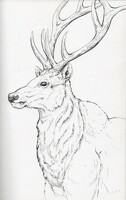
Spirit Guide of the day is Bear! Set those boundaries and don't give in. Now is a time to find answers within yourself to what you have been asking rather than searching for answers from others. Take some solitude by yourself and work on any creative project you have been putting off. Don't compromise and ask for the things you may not think you'll get, but be gentle and show your love to those close to you. The bear has been a symbol of power in many stories of lore including stories of people being changed into bears or using bears as gods. The constellation Ursus Major means "The Great Bear" and links with the lunar symbolism of the Bear as a link between the subconscious and unconscious mind. The Goddess Diana of the moon was associated with the bear. This spirit guide shows us that we can reach inside ourselves to find our own power and answers we search for by their ability to use their own stores of fat to survive throughout winter without eating. People who connect with Bear are assertive and confident while possessing strong healing abilities. Bear souls must concentrate on keeping up their productivity throughout the winter and not let it slow them down and make them hide away. These individuals require periods of solitude to restore their creative spark and this time often coincides with the winter season. These independent survivors have a strong presence and use spring as a time to begin acting on goals.
Bear, Ursidae, are omnivorous mammals found all over the world. These adaptive, large creatures can live up between 15-35 years in the wild and can run up to 35 mph. Bears can primarily be found in the Americas, Asia, and Europe and prefer a wide range of wooded and mountainous habitats depending on their location. The smallest bear is the Malaysian sun bear with an adult bear reaching only just over 3 feet tall. The largest species of bear would be the polar bear which is able to reach over 9 feet tall and is only competed with by the North American Grizzly bear which can, in rare occasions, reach as big. There are eight species of bear still living and the others include the Giant Panda bear, Spectacled Bear, Sloth bear, Asian black bear, and American black bear. All bears live in the northern hemisphere except the Spectacled bear found in South America.These animals are thought to have evolved from dog or raccoon-like ancestors and are primarily carnivorous. However, they had adapted an opportunistic omnivorous diet which includes large portions of plant matter as well as insects, fish, berries, and even garbage and human foods. Each species of bear has adapted for its own environment from the white fur of polar bears to blend in with their surroundings to a longer tongue to feed on termites such as that found on the sloth bear. Bears are solitary creatures that will only come together for breeding. They are often peaceful creatures unless threatened in which case they will lift onto their back feet and roar to show intimidation. Bears will make dens in hollowed-out trees, piles of brush, or caves as well as digging holes under tree roots or into hillsides. They give birth to live young called cubs which are completely helpless with no hair and the inability to smell or hear. The mother will care for her young until they are ready to fend for themselves.
Bear, Ursidae, are omnivorous mammals found all over the world. These adaptive, large creatures can live up between 15-35 years in the wild and can run up to 35 mph. Bears can primarily be found in the Americas, Asia, and Europe and prefer a wide range of wooded and mountainous habitats depending on their location. The smallest bear is the Malaysian sun bear with an adult bear reaching only just over 3 feet tall. The largest species of bear would be the polar bear which is able to reach over 9 feet tall and is only competed with by the North American Grizzly bear which can, in rare occasions, reach as big. There are eight species of bear still living and the others include the Giant Panda bear, Spectacled Bear, Sloth bear, Asian black bear, and American black bear. All bears live in the northern hemisphere except the Spectacled bear found in South America.These animals are thought to have evolved from dog or raccoon-like ancestors and are primarily carnivorous. However, they had adapted an opportunistic omnivorous diet which includes large portions of plant matter as well as insects, fish, berries, and even garbage and human foods. Each species of bear has adapted for its own environment from the white fur of polar bears to blend in with their surroundings to a longer tongue to feed on termites such as that found on the sloth bear. Bears are solitary creatures that will only come together for breeding. They are often peaceful creatures unless threatened in which case they will lift onto their back feet and roar to show intimidation. Bears will make dens in hollowed-out trees, piles of brush, or caves as well as digging holes under tree roots or into hillsides. They give birth to live young called cubs which are completely helpless with no hair and the inability to smell or hear. The mother will care for her young until they are ready to fend for themselves.
Category Artwork (Traditional) / Animal related (non-anthro)
Species Bear (Other)
Size 813 x 1280px
File Size 262.5 kB

Comments