
 FA+
FA+ Shop
Shop
253
Views
Views
0
Favorites
Favorites
Category
Adoptables / Animal related (non-anthro)
Species Unspecified / Any
Size 1280 x 1101
File Size 149.2 kB
Report this content
More from tenlina


Information in the comments
payment on PayPal ONLY
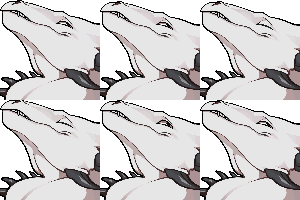
1 10$
2 SOLD
3 10$
4 SOLD No eye - mutation
5 20$ Live on the shores of the oceans. Almost extinct.
6 SOLD Cave. Nearly extinct.
payment on PayPal ONLY
1 10$
2 SOLD
3 10$
4 SOLD No eye - mutation
5 20$ Live on the shores of the oceans. Almost extinct.
6 SOLD Cave. Nearly extinct.
Category Adoptables / Animal related (non-anthro)
Species Unspecified / Any
Size 1280 x 1101px
File Size 149.2 kB
The species appeared thanks to the work of ancient mages and due to it's uselessness was left on its own. They inhabit the world Ariota (relatively new, under construction). after ages of hunting the species started to slowly die out of the wild nature, unlike tamed ones, which multiplied in number and developed different types and characteristics
lifestyle/anatomy/fod preference features of the wild ones:
The head has thick plate, which protects the animal from a lethal hit to the head. Can headbutt stuff.
Maw is quite similar to the maw of a snake, can open wide and as a result they can swallow the prey whole. Mostly consume fish and small animas as chewing flesh is quite difficult with small and rare teeth (unlike cave ones). Sometimes can eat fruit.
Outgrows on the head are soft and can move, so when sticking to the head they are used to cover ear memberanes from dust/water/sand/snow and loud noises.
Neck is very flexile and skin is soft to the touch. On the chest fur (very soft light fluff) starts to grow between the scales and very soft skin.
Fur grows on "wings" through half opened scales, feathers grow there as well. Front limbs themselves are very thick and can even cut wood up to 5-10 cm deep (but there is no need for them to do so becauyse the wing can get stuck, yet some use use it for marking territory). These "wings" are used as a weapon when fighting for females and for self defence.Feathers grow on butt/buttocks/buttcheeks and have a specific shape, either standing (as displayed in the picture) or laying down.
Tail is long and not very dynamic/flexile, little side-to-side movements. Feathers on the tip grow tight to each other and can shake when excited (happy, playing, calling the partner).
Size of the wild ones varies from 170 to 200cm
Creatures are very self-willed, wild ones can's get used to any other creatures except their own kind. Tempers are varied and versatile.
Relationship can be both monogamy and polygamy.
In spring "games" for female attention start. It begins with dancing and other ways of attracting attention to fighting. When a female picks her mate, she can hurt other males, that are still fighting for her attention. Sometimes females fight each other for one male, without giving him gifts or wagging their tails and feathers (most likely that male is the head if the pack). After that nesting starts and lasts until middle summer. Usualy 1-5 eggs are laid.
Pack hierarchy and structure:
There is a male and a female. They have children and sometimes Gazens from other packs can join them, which leads into creation of a whole pack instead of a normal family. Prey is shared equally, meal queue depends on the hunger.
lifestyle/anatomy/fod preference features of the wild ones:
The head has thick plate, which protects the animal from a lethal hit to the head. Can headbutt stuff.
Maw is quite similar to the maw of a snake, can open wide and as a result they can swallow the prey whole. Mostly consume fish and small animas as chewing flesh is quite difficult with small and rare teeth (unlike cave ones). Sometimes can eat fruit.
Outgrows on the head are soft and can move, so when sticking to the head they are used to cover ear memberanes from dust/water/sand/snow and loud noises.
Neck is very flexile and skin is soft to the touch. On the chest fur (very soft light fluff) starts to grow between the scales and very soft skin.
Fur grows on "wings" through half opened scales, feathers grow there as well. Front limbs themselves are very thick and can even cut wood up to 5-10 cm deep (but there is no need for them to do so becauyse the wing can get stuck, yet some use use it for marking territory). These "wings" are used as a weapon when fighting for females and for self defence.Feathers grow on butt/buttocks/buttcheeks and have a specific shape, either standing (as displayed in the picture) or laying down.
Tail is long and not very dynamic/flexile, little side-to-side movements. Feathers on the tip grow tight to each other and can shake when excited (happy, playing, calling the partner).
Size of the wild ones varies from 170 to 200cm
Creatures are very self-willed, wild ones can's get used to any other creatures except their own kind. Tempers are varied and versatile.
Relationship can be both monogamy and polygamy.
In spring "games" for female attention start. It begins with dancing and other ways of attracting attention to fighting. When a female picks her mate, she can hurt other males, that are still fighting for her attention. Sometimes females fight each other for one male, without giving him gifts or wagging their tails and feathers (most likely that male is the head if the pack). After that nesting starts and lasts until middle summer. Usualy 1-5 eggs are laid.
Pack hierarchy and structure:
There is a male and a female. They have children and sometimes Gazens from other packs can join them, which leads into creation of a whole pack instead of a normal family. Prey is shared equally, meal queue depends on the hunger.

Comments