
 FA+
FA+ Shop
Shop
192
Views
Views
0
Favorites
Favorites
Category
All / All
Species Unspecified / Any
Size 1280 x 956
File Size 242.9 kB
Report this content
More from 898


More Rareware inspiration
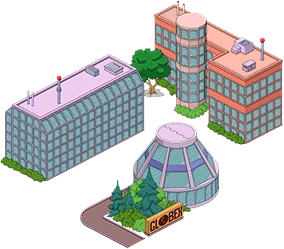
https://simpsonstappedout.fandom.co.....d_%28Bundle%29
https://vignette.wikia.nocookie.net.....20170407040211
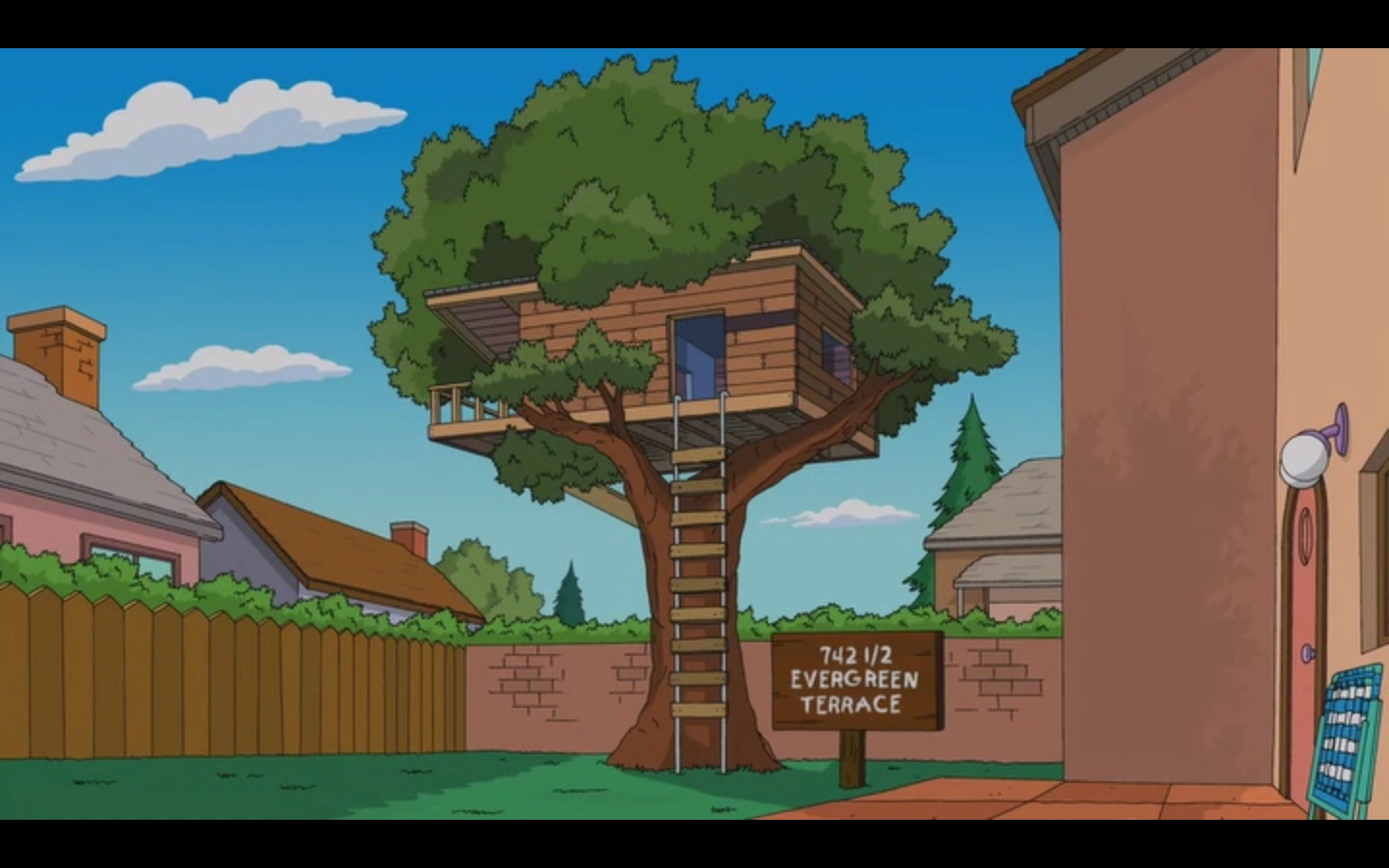
https://simpsons.fandom.com/wiki/Ba.....%27s_treehouse
https://static.wikia.nocookie.net/s.....20160524122421
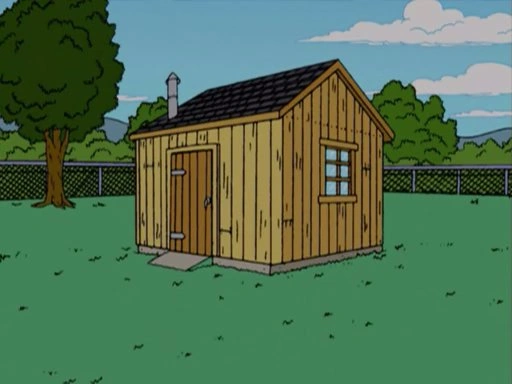
https://simpsons.fandom.com/wiki/Willie%27s_shack
https://static.wikia.nocookie.net/s.....20150730213353
Fuzzle's school (name still undecided) is inspired by Hayes School for the most part, there are some key differences between the school on earth, and the school on Moglade (believed to at first be the name of the planet, but is actually a continent)
"Excellence through Endeavour"
Houses
Blue (Rowling)
Red (Attenborough)
Green (Malala)
Yellow (Hawking)
Hayes School buildings
The school has 10 different blocks (A, B, C, D, E, G, H, L, M, S): Most blocks are split into four floors, unlike Hayes's two floors. A Block – A block is dedicated to Science; biology, chemistry and physics.
B Block – Used for many subjects. Design Technology taking up the ground floor, while upstairs is used for Art, mostly, with one classroom used for Information Technology.
C Block – Two floors. The lower floor is used for Music Business Studies, Drama, Psychology and Sociology. The first floor is used for IT, with three music practice rooms, a recording studio and a store room to house students instruments.
D Block – Lower floor is used for MFL (Modern Foreign Languages. Primarily French, which all students must learn, and German and Spanish, which one 'side' of a year is taught each). The first floor is used for Humanities (History, Religious Education, and Geography) and Social Sciences (Politics, Sociology, Law, Government and Politics & Psychology). At the end of D Block on the ground floor, you can find the main Sixth Form Study Centre, split with a common room area (canteen included) exclusively for Sixth Form students and a silent study room with computers.
E Block – Dance Studio.
G Block – Gadsden. This is an old house that has been renovated into two reception areas, one main and one for students. It also houses many offices, with a medical room on the bottom floor, next to the Student Reception.
H – H Block, is otherwise known as the 'Huts'. H1 is a standard classroom where Spanish and Geography is taught, H2 is used for counselling and student support, H3 and H4 are part of the Bromley School Collegiate teaching school and H5 and H6 are both another sixth form study area.
L – L Block, used for English classes.
M – M block is used for a variety of subjects, including: English, Mathematics, Media and Drama. In addition, you can find Transition, Student Support and Speech & Language on the ground floor. The extension has been completed and has transferred the mathematics department from A Block to M Block. The school library is also located on the ground floor of M Block.
S – S Block is used by the PE Department including a sports hall, four changing rooms (2 boys, 2 girls) and a multi purpose hall which can also be used for assemblies.
Fuzzle's School Uniform:
The uniform Fuzzle wears is unlike a western school uniform and instead is more akin to an eastern uniform, with four notable Japanese cartoon characters serving as the basis, the year bars are retained, however
https://www.bromleyschoolwear.co.uk.....te=common/home
Iron on year bars
Blue.
Purple.
Green.
Orange.
Yellow.
House Bar
Blue
Green
Red
Yellow
https://www.bromleyschoolwear.co.uk.....amp;path=68_89
https://www.bromleyschoolwear.co.uk.....product_id=159
https://www.bromleyschoolwear.co.uk.....product_id=160
https://www.bromleyschoolwear.co.uk.....product_id=172
https://www.bromleyschoolwear.co.uk.....product_id=550
https://www.bromleyschoolwear.co.uk.....product_id=171
https://www.bromleyschoolwear.co.uk.....product_id=178
https://www.bromleyschoolwear.co.uk.....product_id=177
https://www.bromleyschoolwear.co.uk.....product_id=357
https://en.m.wikipedia.org/wiki/Lis.....ugh_of_Bromley
Fuzzle's school also takes inspiration from other schools around the British borough of Bromley:
Alexandra Infant School
Alexandra Junior School
Balgowan Primary School
Bickley Primary School
Biggin Hill Primary School
Blenheim Primary School
Bromley Road Primary School
Burnt Ash Primary School
Castlecombe Primary School
Chelsfield Primary School
Chislehurst Primary School (CE)
Churchfields Primary School
Clare House Primary School
Crofton Infant School
Crofton Junior School
Cudham Primary School (CE)
Darrick Wood Infant School
Darrick Wood Junior School
Dorset Road Infant School
Downe Primary School
Edgebury Primary School
Farnborough Primary School
Gray's Farm Primary Academy
Green Street Green Primary School
Harris Primary Academy Beckenham
Harris Primary Academy Crystal Palace
Harris Primary Academy Kent House
Harris Primary Academy Shortlands
Hawes Down Infant School
Hawes Down Junior School
Hayes Primary School
Highfield Infant School
Highfield Junior School
The Highway Primary School
Hillside Primary School
Holy Innocents Primary School (RC)
James Dixon Primary School
Keston Primary School (CE)
La Fontaine Academy
Langley Park Primary School
Leesons Primary School
Manor Oak Primary School
Marian Vian Primary School
Mead Road Infant School
Midfield Primary School
Mottingham Primary School
Oak Lodge Primary School
Oaklands Primary Academy
Parish Primary School (CE)
Perry Hall Primary School
Pickhurst Infant School
Pickhurst Junior School
Poverest Primary School
Pratts Bottom Primary School
Raglan Primary School
Red Hill Primary School
St Anthony's Primary School (RC)
St George's Primary School (CE)
St James' Primary School (RC)
St John's Primary School (CE)
St Joseph's Primary School (RC)
St Mark's Primary School (CE)
St Mary Cray Primary Academy
St Mary's Primary School (RC)
St Paul's Cray Primary School (CE)
St Peter and St Paul Primary School (RC)
St Philomena's Primary School (RC)
St Vincent's Primary School (RC)
Scotts Park Primary School
Southborough Primary School
Stewart Fleming Primary School
Tubbenden Primary School
Unicorn Primary School
Valley Primary School
Warren Road Primary School
Wickham Common Primary School
Worsley Bridge Primary School
Bishop Justus Church of England School
Bullers Wood School
Charles Darwin School
Chislehurst School for Girls
Coopers School
Darrick Wood School
Harris Academy Beckenham
Harris Academy Bromley
Harris Academy Orpington
Hayes School
Kemnal Technology College
Langley Park School for Boys
Langley Park School for Girls
Newstead Wood School
Ravens Wood School
Ravensbourne School
St Olave's and St Saviour's Grammar School
Burwood School
Glebe School
Harris Aspire Academy
Marjorie McClure School
Riverside School
Fuzzle’s school takes further inspiration from centres for Further education:
Bromley College of Further & Higher Education
Ashgrove School
Bickley Park School
Breaside Preparatory School
St Christophers The Hall School
St David's College
Babington House School
Bishop Challoner School
Bromley High School
Darul Uloom London
Eltham College
Farringtons School
Kings London
Wickham Court school
Baston House School
Browns School
TLC The Learning Centre
The Tutorial Foundation
Simpson’s Comics:
https://simpsonswiki.com/wiki/...So.....Globex,_Huh%3F
https://simpsons.fandom.com/wiki/.......Globex,_Huh%3F
(*********************************************************************************)
My RTS (Real-Time Strategy) game (name needed here) takes inspiration from other RTS games in the genre, Iron Harvest, Halo Wars, Halo Wars 2 and more, below is what Iron Harvest has to offer:
Iron Harvest:
https://iron-harvest.fandom.com/wiki/Unit
Units are the forces the player and AI call upon to fight each other with in Iron Harvest. They range from average human infantry with small arms to colossal super-heavy mechs that walk through buildings like they are made of paper. All units have a task they excel at as well as weaknesses.
They have three main types: Infantry, Mechs, and Heroes.
Infantry
Standard Infantry
Specialized infantry
Exosuits
Mechs
Light Mechs
Medium Mechs
Heavy Mechs
Artillery
Heroes
Infantry Heroes
Mech Heroes
Weapon Systems
Field Cannons
Heavy Machine Guns
Mortars
Factions
(********)
Infantry:
These are unarmored or less armored units trained in a Barracks structure, and higher-tier units require the upgraded Advanced Barracks. They can capture objectives like resource structures and strategic points.
(********)
Standard Infantry:
These footsoldiers are cheap and squishy, but quick to produce, versatile, quick on their feet, and can capture objectives. They can also switch out their weapons for kits found on the battlefield, allowing them to pick up grenades on top of their standard arms for extra firepower or hide behind cover to decrease the amount of damage taken. In combat, they can really only deal with other standard infantry and rely on greater numbers and positioning to gain an advantage.
Their downside is being largely unable to deal with even light mech units, but they can outrun nearly every mech in existence if they need to avoid a fight. Can also garrison buildings.
(********)
Specialised infantry:
These infantry are generally slower but are very effective at their given tasks. Machine gunners can suppress and lay waste to infantry; they take time to set up but are powerful if put in bunkers or behind cover. Flamethrowers can damage units regardless of cover but suffer from poor range. Anti-armor gunners wielding small cannons bring much-needed anti-mech firepower, but are slow and fire slowly. Medics and engineers are weak in combat but can heal troops and build base structures as well as repair mechs and buildings. Can also garrison buildings.
Each faction has a specialized infantry unit they can produce in the Barracks but requires dropped weapon kits to acquire others; eg, Polania can train machine-gunners but not medics or flamethrowers.
(********)
Exosuits:
These advanced infantry units wear mechanical exoskeletons, possessing varying types of armor and firepower that make them stronger than regular infantry. They are the most expensive units produced in the Advanced Barracks, and can be healed either by medics or engineers. They cannot garrison buildings, but they can still capture points and resources. They also can walk through barbed wire, unlike footsoldiers.
(********)
Mechs:
These are mechanical armored units produced in a Workshop structure, and higher-tier units require the upgraded Advanced Workshop.
(********)
Light Mechs:
These are generally the faster and most affordable mechs but have less armor. Some can work as scouts, anti-infantry units, while others still function as fire support. They generally excel against infantry and some other light mechs, but vulnerable to medium mechs and anti-mech infantry. These units can break through small amounts of cover.
(********)
Medium Mechs:
Quite versatile, these units cost more but can take more of a beating than light mechs while being more affordable and faster than heavies. Generally excel against light mechs and some infantry, but vulnerable to heavy mechs. They can walk through light cover and smaller buildings.
(********)
Heavy Mechs:
The biggest and most expensive mech units, plastered in thick armor and often carrying the heaviest weapons. They excel against just about everything but are slow and vulnerable to artillery. These units breeze right through brick and stone buildings with ease, and their weapons often evaporate any cover the enemy may be using.
(********)
Artillery:
These mech units are specialized in long-ranged fire for use against static defenses or larger groups of enemies. Their weapons are very powerful against all unit types, but they have minimum ranges where they cannot engage enemies who are too close as well as limited cones of fire.
Heroes:
Heroes are unique units with powerful abilities. In Skirmishes and multiplayer, each player can only have one hero unit which they choose beforehand. Each faction has three to choose from, and they are produced in the Headquarters structure.
Infantry Heroes:
These hero units are mostly unarmored, but generally fast and great scouts. They each come with an animal companion to augment their abilities. They range from a sniper with healing abilities or a cavalry unit to a stealthy saboteur or an anti-armor hand-cannoneer.
Mech Heroes:
These armored units are quite potent in terms of firepower and can take more of a beating but are generally slower. They range from an exosuit cyborg to a mammoth titan with broadside cannons.
Weapon Systems:
These machines feature deployable firepower that can turn the tide of battle. They are slow to move and require careful positioning, as they have limited fields of fire. All factions share the same designs but use their own infantry crews. They can be abandoned by their crews; an infantry squad can crew them if one is found on the the battlefield.
Field Cannons:
These direct-fire cannons punch right through even heavy mech armor at long range but fire slowly and struggle against infantry.
Heavy Machine Guns:
These automatic weapons can suppress and cut down infantry with decent power against light mechs, but hopeless against better armor.
Mortars:
Artillery piece with long range, large area-of-effect, ignore line of sight by shooting up and over obstacles, and are good against infantry or most armor. However, the projectile takes a moment to land, reloads slowly, and has a dead zone in front of the unit.
Factions:
Polania Republic
Polania's units are generally lighter, faster, and cheaper than others, but lack armor. Excel in hit-and-run attacks and kiting.
Rusviet Tsardom:
Rusviet forces are aggressive, tougher than Polanian units but faster than Saxony ones: in close combat, it is almost impossible to stop them.
Saxonian Empire:
Saxonian units have versatile firepower and strong armor, but are expensive and fairly slow.
The Factory:
This mysterious faction owned by Tesla has by far the most advanced technology and versatile units, but they are very fragile and expensive. Not yet playable.
https://iron-harvest.fandom.com/wiki/Base
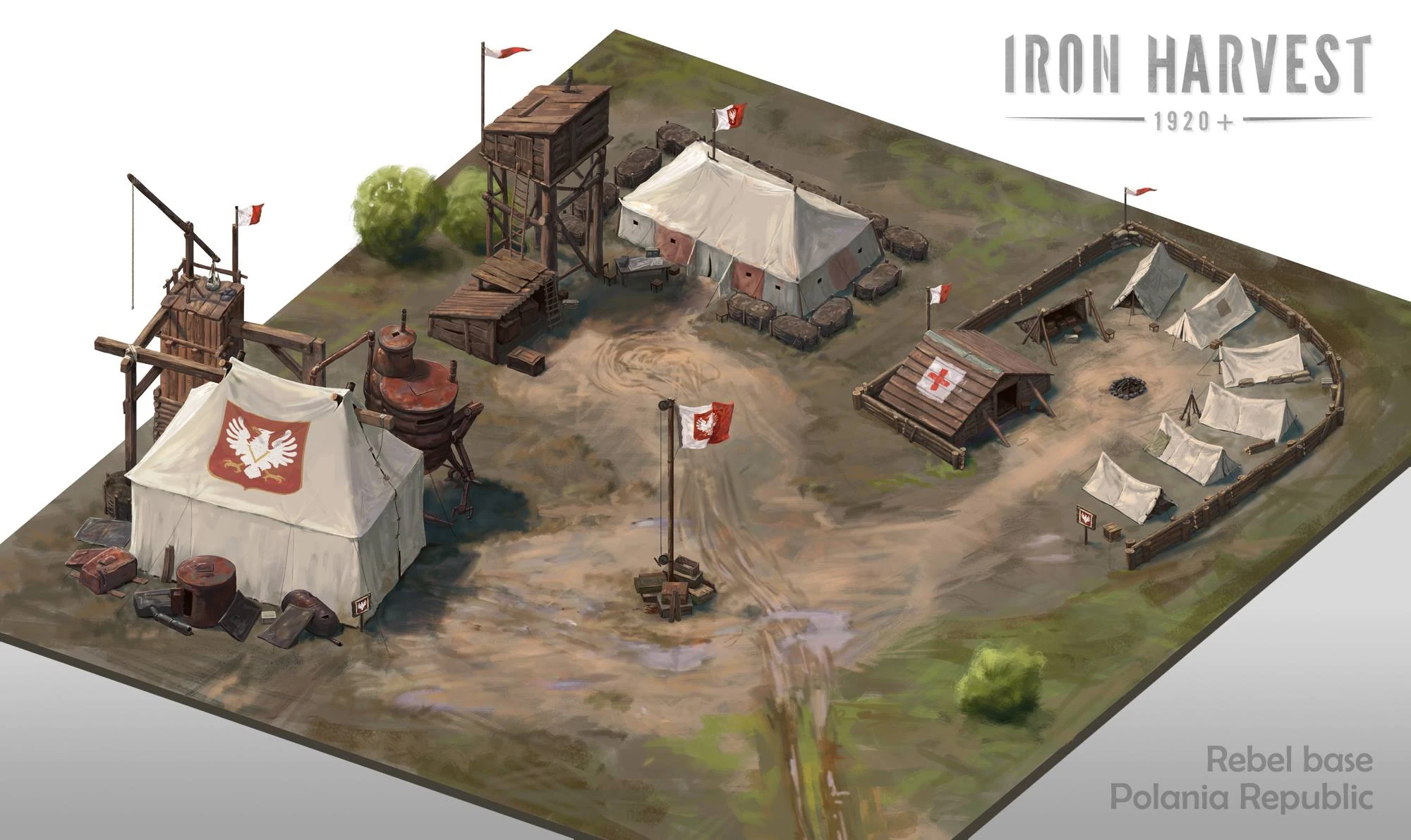
There is base-building in Iron Harvest. In some maps players build a base from scratch, in others they conquer existing buildings. Generally speaking, a base consists of at least a headquarters, and up to 2 additional production structures - a barracks and a workshop.
Bases can be further established by the construction of bunkers and field fortifications (i.e. sandbags, mines, barbed wire, etc.)
https://static.wikia.nocookie.net/i.....20180515002329
https://iron-harvest.fandom.com/wik.....g_Construction
https://iron-harvest.fandom.com/wiki/Structure
https://iron-harvest.fandom.com/wik.....ilding_Upgrade
https://iron-harvest.fandom.com/wiki/Resource
https://iron-harvest.fandom.com/wiki/Weapon_Crate
https://iron-harvest.fandom.com/wiki/Weapon
https://iron-harvest.fandom.com/wik.....ring_Buildings
https://iron-harvest.fandom.com/wiki/Repair
https://iron-harvest.fandom.com/wiki/Ability
https://iron-harvest.fandom.com/wiki/Cover_System
https://iron-harvest.fandom.com/wiki/Armor
Armor Classes:
(********)
Unarmored:
Currently all infantry units are unarmored. There aren't any mechs or weapon systems with this armor class. Unarmored Units can be easily damaged by light weapons like handguns, rifles, SMGs, shotguns or heavy machine guns. Furthermore explosives like hand grenades do a lot of damage against this armor class.
(********)
Light Armor:
This is the armor class for small and fast mechs like the PZM-9 "Straznik" or the PZM-7 "Smialy", as well as for exosuits. Like unarmored units, Light armor can be damaged by light weapons, even if it takes clearly longer to do to serious damage. Light armor is very vulnerable to field cannons, gunners and mechs with anti-mech weapons.
(********)
Medium Armor:
This is currently the armor class for the most mechs. Medium armor can only be slightly damaged by light weapons, but it is vulnerable to field cannons and mechs with anti-mech weapons.
(********)
Heavy Armor:
This armor class relates to the heaviest mechs in the game. The PZM-16 "Nosidelko" is an example for a mech that is equiped with heavy armor. Heavy armor is very well armored against light weapons. Only field cannons and mechs with anti-mech weapons can inflict meaningful damage.
(********)
Structure Armour:
Structures have this armor class.
(********)
Rear Armor:
A lot of mechs in the game have weak points (often at their back), which allow to inflict higher damage (the damage is doubled), when hitting these weak points.
https://iron-harvest.fandom.com/wiki/Veterancy
https://iron-harvest.fandom.com/wiki/Fog_of_War
https://simpsonstappedout.fandom.co.....d_%28Bundle%29
https://vignette.wikia.nocookie.net.....20170407040211
https://simpsons.fandom.com/wiki/Ba.....%27s_treehouse
https://static.wikia.nocookie.net/s.....20160524122421
https://simpsons.fandom.com/wiki/Willie%27s_shack
https://static.wikia.nocookie.net/s.....20150730213353
Fuzzle's school (name still undecided) is inspired by Hayes School for the most part, there are some key differences between the school on earth, and the school on Moglade (believed to at first be the name of the planet, but is actually a continent)
"Excellence through Endeavour"
Houses
Blue (Rowling)
Red (Attenborough)
Green (Malala)
Yellow (Hawking)
Hayes School buildings
The school has 10 different blocks (A, B, C, D, E, G, H, L, M, S): Most blocks are split into four floors, unlike Hayes's two floors. A Block – A block is dedicated to Science; biology, chemistry and physics.
B Block – Used for many subjects. Design Technology taking up the ground floor, while upstairs is used for Art, mostly, with one classroom used for Information Technology.
C Block – Two floors. The lower floor is used for Music Business Studies, Drama, Psychology and Sociology. The first floor is used for IT, with three music practice rooms, a recording studio and a store room to house students instruments.
D Block – Lower floor is used for MFL (Modern Foreign Languages. Primarily French, which all students must learn, and German and Spanish, which one 'side' of a year is taught each). The first floor is used for Humanities (History, Religious Education, and Geography) and Social Sciences (Politics, Sociology, Law, Government and Politics & Psychology). At the end of D Block on the ground floor, you can find the main Sixth Form Study Centre, split with a common room area (canteen included) exclusively for Sixth Form students and a silent study room with computers.
E Block – Dance Studio.
G Block – Gadsden. This is an old house that has been renovated into two reception areas, one main and one for students. It also houses many offices, with a medical room on the bottom floor, next to the Student Reception.
H – H Block, is otherwise known as the 'Huts'. H1 is a standard classroom where Spanish and Geography is taught, H2 is used for counselling and student support, H3 and H4 are part of the Bromley School Collegiate teaching school and H5 and H6 are both another sixth form study area.
L – L Block, used for English classes.
M – M block is used for a variety of subjects, including: English, Mathematics, Media and Drama. In addition, you can find Transition, Student Support and Speech & Language on the ground floor. The extension has been completed and has transferred the mathematics department from A Block to M Block. The school library is also located on the ground floor of M Block.
S – S Block is used by the PE Department including a sports hall, four changing rooms (2 boys, 2 girls) and a multi purpose hall which can also be used for assemblies.
Fuzzle's School Uniform:
The uniform Fuzzle wears is unlike a western school uniform and instead is more akin to an eastern uniform, with four notable Japanese cartoon characters serving as the basis, the year bars are retained, however
https://www.bromleyschoolwear.co.uk.....te=common/home
Iron on year bars
Blue.
Purple.
Green.
Orange.
Yellow.
House Bar
Blue
Green
Red
Yellow
https://www.bromleyschoolwear.co.uk.....amp;path=68_89
https://www.bromleyschoolwear.co.uk.....product_id=159
https://www.bromleyschoolwear.co.uk.....product_id=160
https://www.bromleyschoolwear.co.uk.....product_id=172
https://www.bromleyschoolwear.co.uk.....product_id=550
https://www.bromleyschoolwear.co.uk.....product_id=171
https://www.bromleyschoolwear.co.uk.....product_id=178
https://www.bromleyschoolwear.co.uk.....product_id=177
https://www.bromleyschoolwear.co.uk.....product_id=357
https://en.m.wikipedia.org/wiki/Lis.....ugh_of_Bromley
Fuzzle's school also takes inspiration from other schools around the British borough of Bromley:
Alexandra Infant School
Alexandra Junior School
Balgowan Primary School
Bickley Primary School
Biggin Hill Primary School
Blenheim Primary School
Bromley Road Primary School
Burnt Ash Primary School
Castlecombe Primary School
Chelsfield Primary School
Chislehurst Primary School (CE)
Churchfields Primary School
Clare House Primary School
Crofton Infant School
Crofton Junior School
Cudham Primary School (CE)
Darrick Wood Infant School
Darrick Wood Junior School
Dorset Road Infant School
Downe Primary School
Edgebury Primary School
Farnborough Primary School
Gray's Farm Primary Academy
Green Street Green Primary School
Harris Primary Academy Beckenham
Harris Primary Academy Crystal Palace
Harris Primary Academy Kent House
Harris Primary Academy Shortlands
Hawes Down Infant School
Hawes Down Junior School
Hayes Primary School
Highfield Infant School
Highfield Junior School
The Highway Primary School
Hillside Primary School
Holy Innocents Primary School (RC)
James Dixon Primary School
Keston Primary School (CE)
La Fontaine Academy
Langley Park Primary School
Leesons Primary School
Manor Oak Primary School
Marian Vian Primary School
Mead Road Infant School
Midfield Primary School
Mottingham Primary School
Oak Lodge Primary School
Oaklands Primary Academy
Parish Primary School (CE)
Perry Hall Primary School
Pickhurst Infant School
Pickhurst Junior School
Poverest Primary School
Pratts Bottom Primary School
Raglan Primary School
Red Hill Primary School
St Anthony's Primary School (RC)
St George's Primary School (CE)
St James' Primary School (RC)
St John's Primary School (CE)
St Joseph's Primary School (RC)
St Mark's Primary School (CE)
St Mary Cray Primary Academy
St Mary's Primary School (RC)
St Paul's Cray Primary School (CE)
St Peter and St Paul Primary School (RC)
St Philomena's Primary School (RC)
St Vincent's Primary School (RC)
Scotts Park Primary School
Southborough Primary School
Stewart Fleming Primary School
Tubbenden Primary School
Unicorn Primary School
Valley Primary School
Warren Road Primary School
Wickham Common Primary School
Worsley Bridge Primary School
Bishop Justus Church of England School
Bullers Wood School
Charles Darwin School
Chislehurst School for Girls
Coopers School
Darrick Wood School
Harris Academy Beckenham
Harris Academy Bromley
Harris Academy Orpington
Hayes School
Kemnal Technology College
Langley Park School for Boys
Langley Park School for Girls
Newstead Wood School
Ravens Wood School
Ravensbourne School
St Olave's and St Saviour's Grammar School
Burwood School
Glebe School
Harris Aspire Academy
Marjorie McClure School
Riverside School
Fuzzle’s school takes further inspiration from centres for Further education:
Bromley College of Further & Higher Education
Ashgrove School
Bickley Park School
Breaside Preparatory School
St Christophers The Hall School
St David's College
Babington House School
Bishop Challoner School
Bromley High School
Darul Uloom London
Eltham College
Farringtons School
Kings London
Wickham Court school
Baston House School
Browns School
TLC The Learning Centre
The Tutorial Foundation
Simpson’s Comics:
https://simpsonswiki.com/wiki/...So.....Globex,_Huh%3F
https://simpsons.fandom.com/wiki/.......Globex,_Huh%3F
(*********************************************************************************)
My RTS (Real-Time Strategy) game (name needed here) takes inspiration from other RTS games in the genre, Iron Harvest, Halo Wars, Halo Wars 2 and more, below is what Iron Harvest has to offer:
Iron Harvest:
https://iron-harvest.fandom.com/wiki/Unit
Units are the forces the player and AI call upon to fight each other with in Iron Harvest. They range from average human infantry with small arms to colossal super-heavy mechs that walk through buildings like they are made of paper. All units have a task they excel at as well as weaknesses.
They have three main types: Infantry, Mechs, and Heroes.
Infantry
Standard Infantry
Specialized infantry
Exosuits
Mechs
Light Mechs
Medium Mechs
Heavy Mechs
Artillery
Heroes
Infantry Heroes
Mech Heroes
Weapon Systems
Field Cannons
Heavy Machine Guns
Mortars
Factions
(********)
Infantry:
These are unarmored or less armored units trained in a Barracks structure, and higher-tier units require the upgraded Advanced Barracks. They can capture objectives like resource structures and strategic points.
(********)
Standard Infantry:
These footsoldiers are cheap and squishy, but quick to produce, versatile, quick on their feet, and can capture objectives. They can also switch out their weapons for kits found on the battlefield, allowing them to pick up grenades on top of their standard arms for extra firepower or hide behind cover to decrease the amount of damage taken. In combat, they can really only deal with other standard infantry and rely on greater numbers and positioning to gain an advantage.
Their downside is being largely unable to deal with even light mech units, but they can outrun nearly every mech in existence if they need to avoid a fight. Can also garrison buildings.
(********)
Specialised infantry:
These infantry are generally slower but are very effective at their given tasks. Machine gunners can suppress and lay waste to infantry; they take time to set up but are powerful if put in bunkers or behind cover. Flamethrowers can damage units regardless of cover but suffer from poor range. Anti-armor gunners wielding small cannons bring much-needed anti-mech firepower, but are slow and fire slowly. Medics and engineers are weak in combat but can heal troops and build base structures as well as repair mechs and buildings. Can also garrison buildings.
Each faction has a specialized infantry unit they can produce in the Barracks but requires dropped weapon kits to acquire others; eg, Polania can train machine-gunners but not medics or flamethrowers.
(********)
Exosuits:
These advanced infantry units wear mechanical exoskeletons, possessing varying types of armor and firepower that make them stronger than regular infantry. They are the most expensive units produced in the Advanced Barracks, and can be healed either by medics or engineers. They cannot garrison buildings, but they can still capture points and resources. They also can walk through barbed wire, unlike footsoldiers.
(********)
Mechs:
These are mechanical armored units produced in a Workshop structure, and higher-tier units require the upgraded Advanced Workshop.
(********)
Light Mechs:
These are generally the faster and most affordable mechs but have less armor. Some can work as scouts, anti-infantry units, while others still function as fire support. They generally excel against infantry and some other light mechs, but vulnerable to medium mechs and anti-mech infantry. These units can break through small amounts of cover.
(********)
Medium Mechs:
Quite versatile, these units cost more but can take more of a beating than light mechs while being more affordable and faster than heavies. Generally excel against light mechs and some infantry, but vulnerable to heavy mechs. They can walk through light cover and smaller buildings.
(********)
Heavy Mechs:
The biggest and most expensive mech units, plastered in thick armor and often carrying the heaviest weapons. They excel against just about everything but are slow and vulnerable to artillery. These units breeze right through brick and stone buildings with ease, and their weapons often evaporate any cover the enemy may be using.
(********)
Artillery:
These mech units are specialized in long-ranged fire for use against static defenses or larger groups of enemies. Their weapons are very powerful against all unit types, but they have minimum ranges where they cannot engage enemies who are too close as well as limited cones of fire.
Heroes:
Heroes are unique units with powerful abilities. In Skirmishes and multiplayer, each player can only have one hero unit which they choose beforehand. Each faction has three to choose from, and they are produced in the Headquarters structure.
Infantry Heroes:
These hero units are mostly unarmored, but generally fast and great scouts. They each come with an animal companion to augment their abilities. They range from a sniper with healing abilities or a cavalry unit to a stealthy saboteur or an anti-armor hand-cannoneer.
Mech Heroes:
These armored units are quite potent in terms of firepower and can take more of a beating but are generally slower. They range from an exosuit cyborg to a mammoth titan with broadside cannons.
Weapon Systems:
These machines feature deployable firepower that can turn the tide of battle. They are slow to move and require careful positioning, as they have limited fields of fire. All factions share the same designs but use their own infantry crews. They can be abandoned by their crews; an infantry squad can crew them if one is found on the the battlefield.
Field Cannons:
These direct-fire cannons punch right through even heavy mech armor at long range but fire slowly and struggle against infantry.
Heavy Machine Guns:
These automatic weapons can suppress and cut down infantry with decent power against light mechs, but hopeless against better armor.
Mortars:
Artillery piece with long range, large area-of-effect, ignore line of sight by shooting up and over obstacles, and are good against infantry or most armor. However, the projectile takes a moment to land, reloads slowly, and has a dead zone in front of the unit.
Factions:
Polania Republic
Polania's units are generally lighter, faster, and cheaper than others, but lack armor. Excel in hit-and-run attacks and kiting.
Rusviet Tsardom:
Rusviet forces are aggressive, tougher than Polanian units but faster than Saxony ones: in close combat, it is almost impossible to stop them.
Saxonian Empire:
Saxonian units have versatile firepower and strong armor, but are expensive and fairly slow.
The Factory:
This mysterious faction owned by Tesla has by far the most advanced technology and versatile units, but they are very fragile and expensive. Not yet playable.
https://iron-harvest.fandom.com/wiki/Base
There is base-building in Iron Harvest. In some maps players build a base from scratch, in others they conquer existing buildings. Generally speaking, a base consists of at least a headquarters, and up to 2 additional production structures - a barracks and a workshop.
Bases can be further established by the construction of bunkers and field fortifications (i.e. sandbags, mines, barbed wire, etc.)
https://static.wikia.nocookie.net/i.....20180515002329
https://iron-harvest.fandom.com/wik.....g_Construction
https://iron-harvest.fandom.com/wiki/Structure
https://iron-harvest.fandom.com/wik.....ilding_Upgrade
https://iron-harvest.fandom.com/wiki/Resource
https://iron-harvest.fandom.com/wiki/Weapon_Crate
https://iron-harvest.fandom.com/wiki/Weapon
https://iron-harvest.fandom.com/wik.....ring_Buildings
https://iron-harvest.fandom.com/wiki/Repair
https://iron-harvest.fandom.com/wiki/Ability
https://iron-harvest.fandom.com/wiki/Cover_System
https://iron-harvest.fandom.com/wiki/Armor
Armor Classes:
(********)
Unarmored:
Currently all infantry units are unarmored. There aren't any mechs or weapon systems with this armor class. Unarmored Units can be easily damaged by light weapons like handguns, rifles, SMGs, shotguns or heavy machine guns. Furthermore explosives like hand grenades do a lot of damage against this armor class.
(********)
Light Armor:
This is the armor class for small and fast mechs like the PZM-9 "Straznik" or the PZM-7 "Smialy", as well as for exosuits. Like unarmored units, Light armor can be damaged by light weapons, even if it takes clearly longer to do to serious damage. Light armor is very vulnerable to field cannons, gunners and mechs with anti-mech weapons.
(********)
Medium Armor:
This is currently the armor class for the most mechs. Medium armor can only be slightly damaged by light weapons, but it is vulnerable to field cannons and mechs with anti-mech weapons.
(********)
Heavy Armor:
This armor class relates to the heaviest mechs in the game. The PZM-16 "Nosidelko" is an example for a mech that is equiped with heavy armor. Heavy armor is very well armored against light weapons. Only field cannons and mechs with anti-mech weapons can inflict meaningful damage.
(********)
Structure Armour:
Structures have this armor class.
(********)
Rear Armor:
A lot of mechs in the game have weak points (often at their back), which allow to inflict higher damage (the damage is doubled), when hitting these weak points.
https://iron-harvest.fandom.com/wiki/Veterancy
https://iron-harvest.fandom.com/wiki/Fog_of_War
Category All / All
Species Unspecified / Any
Size 1280 x 956px
File Size 242.9 kB

Comments