
 FA+
FA+ Shop
Shop
256
Views
Views
49
Favorites
Favorites
General
Rating
Rating
Category
All / All
Species Mustelid (Other)
Size 1680 x 2186
File Size 3.22 MB
Keywords
male british ferret uk anthro furry united kingdom england english 9th century anglo saxon angles saxons spear swordsman warrior weapons master men_at_arms oc fursona thelivingshadow character design painting commission marzi marzipan steel iron armor champion soldier medieval historical fantasy themed castle guardian wessex west seaxe viking era norse germanic fyrd seax thegn marzipanferret royal companion huscarl hearth guard britannia briton celt celtic nord nordic mustelid hero sword knifeReport this content
Meta Keywords
u_thelivingshadow c_all t_all s_mustelid_otherMore from TheLivingShadow


Listed in Folders

❌
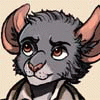
Here's a painting commission done for  MarzipanFerret featuring his sona as a 9th century West Saxon warrior!
--
During the era of Viking settlement in Britain, an integral part of the fyrds was a class of noblemen-warriors who owned land granted from lords or kings by right of a provided military service. They were known as thegns, who in the earliest times of Saxon migration were exclusively defined by that military service. The first Anglo-Saxon leaders kept ‘gesiths’ as they were formerly known in their retinues, who were better trained and more highly motivated due to a close relationship with their warmongering lords. By the later Saxon era, they had developed into a middle-ranking land-owning ‘officer class’ with major roles in organizing and leading the fyrds. Danish rule over conquered English lands meant that some thegns fought for their conquerors in return for being able to keep their lands within the puppet kingdoms.
Thegns were much better equipped for war than most other troops. Many of them strove to master the broadsword, given its unique ability to maim and kill in the right hands. Sword fighting was generally practiced by men of status who could afford the costly weapon, with blades commonly passed between generations as symbols of family honour. The dominant types of swords in north-western Europe were the broad-bladed two-edged forms that were up to 90 centimetres long. Most included a pommel on the hilt to keep the sword from slipping out of the hand when used from horseback, and also handy to dish out blunt-force trauma when the situation required it.
 MarzipanFerret featuring his sona as a 9th century West Saxon warrior!
--
During the era of Viking settlement in Britain, an integral part of the fyrds was a class of noblemen-warriors who owned land granted from lords or kings by right of a provided military service. They were known as thegns, who in the earliest times of Saxon migration were exclusively defined by that military service. The first Anglo-Saxon leaders kept ‘gesiths’ as they were formerly known in their retinues, who were better trained and more highly motivated due to a close relationship with their warmongering lords. By the later Saxon era, they had developed into a middle-ranking land-owning ‘officer class’ with major roles in organizing and leading the fyrds. Danish rule over conquered English lands meant that some thegns fought for their conquerors in return for being able to keep their lands within the puppet kingdoms.
Thegns were much better equipped for war than most other troops. Many of them strove to master the broadsword, given its unique ability to maim and kill in the right hands. Sword fighting was generally practiced by men of status who could afford the costly weapon, with blades commonly passed between generations as symbols of family honour. The dominant types of swords in north-western Europe were the broad-bladed two-edged forms that were up to 90 centimetres long. Most included a pommel on the hilt to keep the sword from slipping out of the hand when used from horseback, and also handy to dish out blunt-force trauma when the situation required it.
256
Views
Views
49
Favorites
Favorites
0
Comments
Comments
General
Rating
Rating
Category All / All
Species Mustelid (Other)
Size 1680 x 2186px
File Size 3.22 MB

Comments